
Replacing Windows in a Conservation Area or Listed Building in Cambridge
26th June 2026
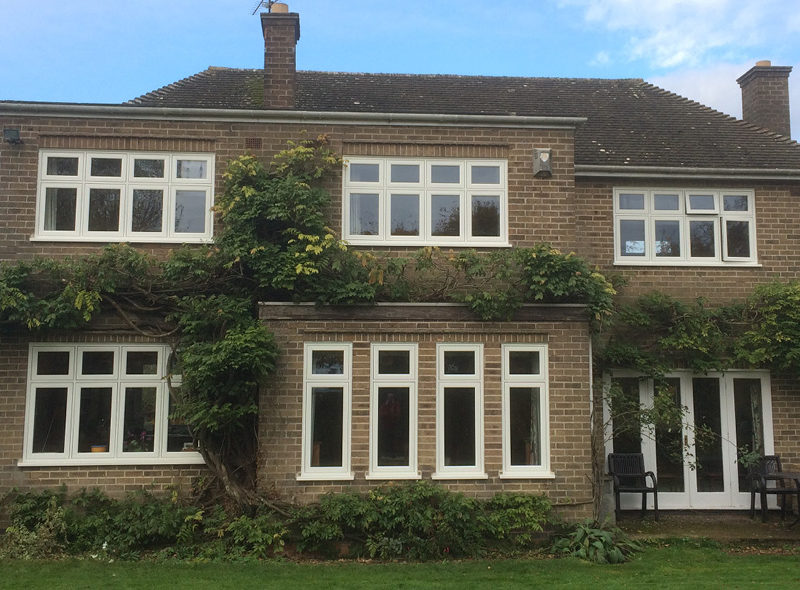
If you own an older home in Cambridge, replacing your windows is not always as simple as choosing a style and booking the work in. Much of Cambridge’s character comes from its period properties, traditional sash windows and historic streets, so the council places tighter controls on what can and cannot be changed.
That can feel a bit frustrating at first, especially if your current windows are draughty, tired or difficult to maintain. But once you understand the rules, it becomes much easier to work out what your options are.
This guide explains when you may need permission to replace your windows, when you usually do not, and what types of windows are more likely to be accepted. We work with homeowners across Cambridge and the surrounding areas, and we will always give you honest advice about what is realistic for your home.
The quick answer
- If your home is not listed and not in a conservation area, you can usually replace your windows with a similar style without planning permission.
- If your home is in a conservation area, you may need permission, especially if the windows are on the front of the property or visible from the street.
- If your home is listed, you will need listed building consent before changing any windows.
- If an Article 4 direction applies, even small changes may need planning permission.
Not sure where your property sits? You can check it on the council’s planning constraints map, or ask us and we can help you understand what applies.
Cambridge’s conservation areas
Cambridge has a number of conservation areas, including De Freville, The Kite, Mill Road and St Matthew’s, New Town and Glisson Road, Riverside and Stourbridge Common, Newnham Croft, Storey’s Way, Trumpington and West Cambridge.
If your home sits within one of these areas, the council will want to protect the appearance and character of the street. That does not mean you can never replace your windows. It simply means the replacements usually need to be carefully chosen so they stay in keeping with the property.
For traditional homes, conservation officers will often expect details such as timber frames, slim sightlines and a style that closely matches the original windows. uPVC is often refused on the front of properties in conservation areas because it can change the look of the building.
There may be more flexibility at the back of the house, or on elevations that are not visible from the road, but it is always worth checking before you commit to any work.
What is an Article 4 direction?
Most homeowners have something called permitted development rights. These allow certain types of home improvement work to be carried out without a full planning application.
An Article 4 direction removes some of those rights in specific areas. Councils use them where they want more control over changes that could affect the character of a street or conservation area.
In practical terms, this means that even a like-for-like window replacement may need permission if your property is covered by an Article 4 direction.
That is why it is sensible to check the council’s planning constraints map before starting any work.
Listed buildings
If your home is listed, the rules are stricter.
You will need listed building consent before changing any window, whether it is at the front, side or rear of the property. This applies even if the new window looks very similar to the old one.
Unauthorised work to a listed building is not just a planning issue. It can be a criminal offence, so it is important to get the right advice before anything is removed or replaced.
In most cases, officers will expect the new windows to preserve the original style, proportions and materials. For many listed homes, that usually means timber windows rather than uPVC or aluminium.
What is usually allowed?
Not every home in Cambridge is heavily restricted. Many homeowners have more options than they first realise.
If your home is not listed and is not in a conservation area, you can usually replace your windows with a similar style without needing planning permission. This applies to many 1930s, post-war and more modern homes across the city.
Even in conservation areas, rear elevations and parts of the home that cannot be seen from the street are sometimes treated more flexibly.
For period-style homes that are not restricted, heritage-style flush sash windows and sliding sash windows can be a good option. They help keep the traditional look of the property while improving warmth, security and noise reduction.
How we can help
We fit uPVC and aluminium windows and doors across Cambridge, so for many homes we can offer a practical, straightforward replacement.
If your property is listed, or if the front of the home sits within a strict conservation area, the council may expect timber windows instead. If that is the case, we will tell you honestly rather than try to sell you something that is unlikely to be approved.
What we can do is take a look at your property, help you understand what may be possible, and talk you through the styles that could suit your home. If modern frames are suitable, we can recommend options that work well for Cambridge properties, including flush sash, sliding sash, casement and aluminium windows.
If you would like a clear, honest opinion, get in touch for a free quote and we will help you work out where you stand. You can also see how we measure up in our roundup of the top double glazing installers in Cambridge.
You can also view the full range of windows and doors we fit across Cambridge.
Check before you commit
The best first step is to check your property’s status before making any decisions.
Use the council’s planning constraints map to see whether your home is listed, in a conservation area, or covered by an Article 4 direction.
If you are unsure how to read the map, send us your address and we can help you understand what it means for your window replacement.
Frequently asked questions
Can I put uPVC windows in a conservation area in Cambridge?
Usually not on the front of the house. Conservation officers will normally want the original appearance of the property to be preserved, and uPVC is often refused on visible elevations. There may be more flexibility at the rear of the property, especially where the windows cannot be seen from the street, but you should always check before going ahead.
Do I need consent for the back of a listed building?
Yes. If your home is listed, you need listed building consent for any window changes, whether they are at the front, back or side of the property. This applies even if the replacement window looks similar to the original.
How do I find out if my house is listed or in a conservation area?
You can check your address using the council’s planning constraints map. This should show whether your property is listed, sits within a conservation area, or is affected by an Article 4 direction. If you are not sure what the result means, we are happy to help you check.
What happens if I replace windows without permission?
In a conservation area, you could face enforcement action and may be asked to reverse the work. For listed buildings, the consequences can be more serious, as unauthorised work can be a criminal offence. It is always better to check first than risk problems later.
Can you fit windows that suit a period Cambridge home?
Yes, where the property allows it. Our heritage-style flush sash and sliding sash windows are designed to suit traditional homes while improving warmth, security and day-to-day comfort. If your property is restricted and timber windows are likely to be required, we will be upfront with you.