
Double Glazing vs Triple Glazing Cambridge | Which Is Best for Your Home?
19th May 2026
Choosing new windows is a big decision.
The windows you install today will likely be part of your home for many years, so it’s worth understanding the difference between double glazing and triple glazing before you make a decision.
For most homeowners, the main question is simple:
Is triple glazing worth it, or is modern double glazing enough?
The honest answer is that it depends on your home, your priorities and what you want your new windows to achieve.
If your current windows are old, draughty or single glazed, modern double glazing can make a major difference to comfort, warmth and energy efficiency. If you already have good quality double glazing, the extra benefit of moving to triple glazing may be smaller.
At Huntingdon Windows & Building Plastics, we supply and install a wide range of uPVC windows and aluminium windows across Huntingdon, Cambridge and the surrounding areas, helping homeowners choose the right glazing for their property.
What is double glazing?
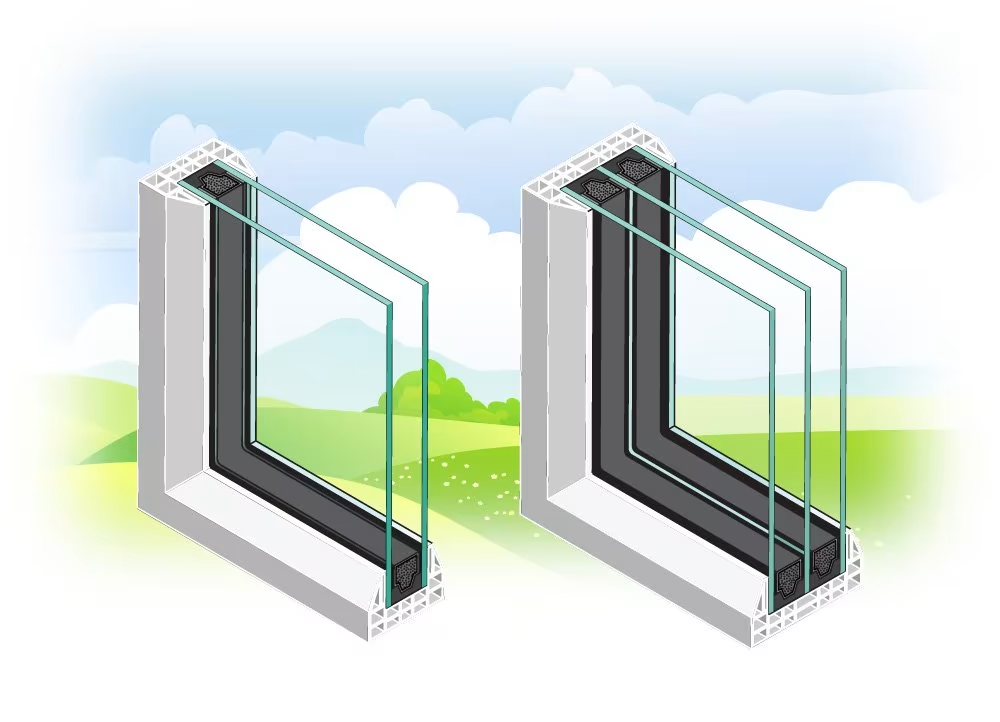
Double glazing uses two panes of glass with a sealed gap between them.
This gap acts as an insulating barrier, helping to slow down heat loss and reduce draughts. Modern double glazed windows are usually far more energy efficient than older single glazed windows or older double glazing that has worn seals.
Double glazing can help improve:
- Heat retention
- Energy efficiency
- Noise reduction
- Home security
- Comfort
- Kerb appeal
Energy Saving Trust states that installing A-rated double glazing in an entirely single-glazed semi-detached home can save around £140 a year in Great Britain. Actual savings will depend on the property, the windows being replaced and how the home is heated.
What is triple glazing?
Triple glazing uses three panes of glass instead of two.
This creates two insulating gaps between the panes, rather than one. In simple terms, triple glazing adds another layer of insulation between the inside of your home and the outside weather.
Triple glazing can help improve thermal performance, especially in rooms that feel particularly cold, exposed or difficult to keep warm.
However, triple glazing is not automatically the best choice for every home. It is usually heavier, often more expensive and may require frames designed specifically to take the extra glass depth and weight.
For many replacement window projects, high quality double glazing still offers the best balance of performance, value and practicality.
Double glazing vs triple glazing: quick comparison
| Feature | Double Glazing | Triple Glazing |
|---|---|---|
| Glass panes | 2 | 3 |
| Insulating gaps | 1 | 2 |
| Heat retention | Very good | Usually better |
| Noise reduction | Good when specified well | Not always better by default |
| Weight | Lighter | Heavier |
| Cost | Usually lower | Usually higher |
| Best for | Most replacement projects | Very cold rooms, exposed homes, new builds or high-performance upgrades |
Is triple glazing more energy efficient than double glazing?
In most cases, yes. Triple glazing can offer better thermal performance because it has an extra pane of glass and an additional insulating gap.
But that doesn’t mean every triple glazed window will outperform every double glazed window.
The overall performance depends on:
- Glass specification
- Frame material
- Spacer bar quality
- Gas fill
- Seals
- Installation quality
- Window design
A well-made, professionally installed double glazed window can perform extremely well. A poorly specified triple glazed window may not deliver the level of performance you expect.
That’s why it’s important to look at the full window system, not just the number of glass panes.
Will triple glazing save more money on energy bills?
Triple glazing can reduce heat loss more than double glazing, but the extra savings on energy bills are usually smaller than people expect if you are already comparing it against modern double glazing.
The biggest improvement usually comes when replacing:
- Single glazing
- Very old double glazing
- Failed sealed units
- Draughty or poorly fitted windows
- Timber frames that no longer seal properly
If your existing windows are old and inefficient, upgrading to modern uPVC windows or aluminium windows can make a real difference to comfort.
If your current double glazing is already modern and performing well, triple glazing may still improve comfort, but the financial payback may take longer.
Does triple glazing make your Cambridge home warmer?
Triple glazing can help rooms feel warmer by reducing heat loss through the glass.
This can be especially useful for:
- North-facing rooms
- Bedrooms that feel cold at night
- Exposed properties
- Homes near open countryside
- Extensions with large areas of glass
- Rooms where you notice cold spots near the windows
That said, windows are only one part of your home’s overall energy performance. Loft insulation, wall insulation, floor insulation, heating controls and door performance all matter too.
An Energy Performance Certificate, or EPC, looks at multiple areas of a home, including heating, insulation, lighting, hot water and building fabric. GOV.UK confirms that EPCs rate properties on an A to G scale and include recommendations to improve energy efficiency.
Is triple glazing better for noise reduction?
Not always.
This is one of the biggest misconceptions around triple glazing.
Many people assume that because triple glazing has three panes of glass, it must always be better at blocking noise. In reality, noise reduction depends more on the overall glass specification than simply the number of panes.
For noise reduction, important factors include:
- Different glass thicknesses
- Laminated acoustic glass
- Cavity width
- Quality of seals
- Frame design
- Installation quality
A properly specified acoustic double glazed unit can often perform better for noise reduction than standard triple glazing.
If you live near a busy road, school, railway line or noisy area, it’s worth asking specifically about acoustic glazing options rather than assuming triple glazing is automatically the best choice.
Does triple glazing reduce condensation?
Triple glazing can help reduce internal condensation because the inner pane of glass tends to stay warmer.
Condensation often forms when warm, moist indoor air touches a cold surface. If your current windows are very cold to the touch, you may see water forming on the inside of the glass during colder weather.
Modern double glazing can also help with this by keeping the inner pane warmer than single glazing.
However, condensation is not only caused by windows. It can also be linked to:
- Poor ventilation
- High indoor humidity
- Drying clothes indoors
- Cooking and bathing without extraction
- Cold walls or poorly insulated rooms
So while better glazing can help, good ventilation is still important.
Are double glazed windows still a good choice?
Yes. For most homeowners, modern double glazing remains an excellent choice.
High quality double glazed windows can deliver strong thermal performance, improved comfort, better security and reduced maintenance compared to older windows.
They are especially suitable for:
- Standard replacement window projects
- Homes with older double glazing
- Properties where triple glazing is not necessary
- Homeowners who want strong performance without overcomplicating the specification
- Projects where budget and value both matter
At Huntingdon Windows & Building Plastics, our window range includes uPVC casement windows, uPVC French casement windows, uPVC flush sash windows, uPVC sliding sash windows, uPVC sash horn windows and uPVC tilt & turn windows.
When is triple glazing worth considering?
Triple glazing may be worth considering if you want maximum thermal performance or have a specific issue with cold rooms.
It can be a good option for:
- New builds
- Extensions
- Very exposed homes
- North-facing rooms
- Rooms that always feel cold
- Homeowners planning long-term improvements
- Properties where comfort is more important than short-term payback
Triple glazing can also make sense if you are replacing all frames anyway and want to future-proof the specification.
But for many homes, particularly standard replacement projects, modern double glazing is likely to be more than enough.
When is double glazing usually the better choice?
Double glazing is usually the better choice if you want a sensible balance of performance, cost, weight and practicality.
It is often the right option for:
- Replacing older double glazing
- Upgrading single glazing
- Improving draughty rooms
- Standard family homes
- Traditional properties where slim sightlines matter
- Homes where acoustic glazing is a bigger priority than maximum insulation
If your main concern is road noise, ask about acoustic glass.
If your main concern is heat loss, modern double glazing may already deliver the improvement you need.
If your main concern is cold rooms, exposed elevations or long-term performance, triple glazing may be worth discussing.
Do you need planning permission for double or triple glazing?
In many cases, replacing windows with a similar style does not need planning permission. Planning Portal guidance says that repairs, maintenance and minor improvements, including replacement windows and doors of a similar appearance, are usually permitted for houses, though there are exceptions.
You should be more careful if your home is:
- Listed
- In a conservation area
- Subject to an Article 4 direction
- A flat or maisonette
- Being altered significantly in appearance
If you are unsure, it is always best to check with your local planning authority before placing an order.
What about doors?
Windows are not the only part of your home that can affect warmth, security and comfort.
Old or poorly fitted doors can also allow draughts into the property. Replacing older doors can help improve insulation, security and kerb appeal.
Huntingdon Windows & Building Plastics supplies and installs a wide range of doors, including:
- Composite doors
- Composite front doors
- uPVC doors
- uPVC French doors
- uPVC patio doors
- Aluminium doors
- Aluminium bifold doors
- Aluminium patio doors
If you’re already replacing windows, it can be worth thinking about whether your doors should be upgraded at the same time.
Which option is right for your home?
The right choice depends on what you want your windows to do.
Choose modern double glazing if you want:
- Strong energy efficiency
- Improved comfort
- Better security
- Reduced draughts
- Lower maintenance
- A practical upgrade for most homes
Consider triple glazing if you want:
- Maximum insulation
- Better comfort in cold rooms
- Long-term performance
- A higher specification for a new build or extension
- A future-focused upgrade
For most homes, double glazing is still the sensible, high-performing option. Triple glazing is best seen as a premium upgrade for specific situations, rather than something every home automatically needs.
Speak to Huntingdon Windows & Building Plastics
Choosing between double glazing and triple glazing can feel confusing, but it doesn’t need to be.
The best option depends on your property, your current windows and what you want to improve.
Huntingdon Windows & Building Plastics supplies and installs high quality windows and doors across Huntingdon, Cambridge and the surrounding areas. Whether you’re replacing old windows, upgrading your doors or improving your home with more energy-efficient glazing, our team can help you choose the right solution.
Explore our full window range, view examples of previous work in our gallery or request a quote through our quote page.
FAQ’s
Is triple glazing better than double glazing?
Triple glazing can offer better thermal performance than double glazing because it has an extra pane of glass and a second insulating gap. However, that does not mean it is always the best choice. The quality of the glass, frame, seals and installation all matter. For many replacement projects, modern double glazing provides excellent insulation, security and comfort. Triple glazing is usually most useful for very cold rooms, exposed homes, new builds or homeowners who want the highest thermal specification.
Is double glazing still worth it?
Yes, double glazing is still worth it for most homeowners, especially if your current windows are single glazed, draughty or old. Modern double glazing can help reduce heat loss, improve comfort, reduce outside noise and make your home feel warmer throughout the year. It can also improve security and reduce maintenance compared with older window systems. For many homes, high quality double glazing offers the best balance of performance, value and practicality.
Does triple glazing reduce noise more than double glazing?
Not always. Triple glazing can reduce some noise, but it is not automatically better than double glazing for sound reduction. Acoustic performance depends on the glass thickness, cavity width, seals, frame design and whether specialist acoustic laminated glass is used. In many cases, acoustic double glazing can perform better than standard triple glazing for reducing road noise or other outside sounds. If noise reduction is your main priority, it is best to ask about acoustic glazing options.
Can I replace double glazing with triple glazing?
In some cases, yes, but it is not always as simple as changing the glass. Triple glazed units are usually deeper and heavier than double glazed units, so your existing frames may not be suitable. Many triple glazing upgrades require new frames designed to handle the extra weight and thickness. If you are considering triple glazing, it is best to have your windows assessed properly so you can understand whether it is practical for your home.
Should I choose double or triple glazing?
Choose double glazing if you want a reliable, energy-efficient and practical upgrade for most homes. Choose triple glazing if you want maximum insulation, have cold rooms, live in a more exposed property or are working on a new build or extension. For many homeowners, modern double glazing will provide the best balance of comfort, performance and value. The right choice depends on your current windows, property type, budget and long-term goals.