
How to Improve Your EPC Rating | Energy Efficient Windows & Doors
19th May 2026
How to Improve Your EPC Rating
If your home feels cold, draughty or expensive to heat, improving your EPC rating is a sensible place to start.
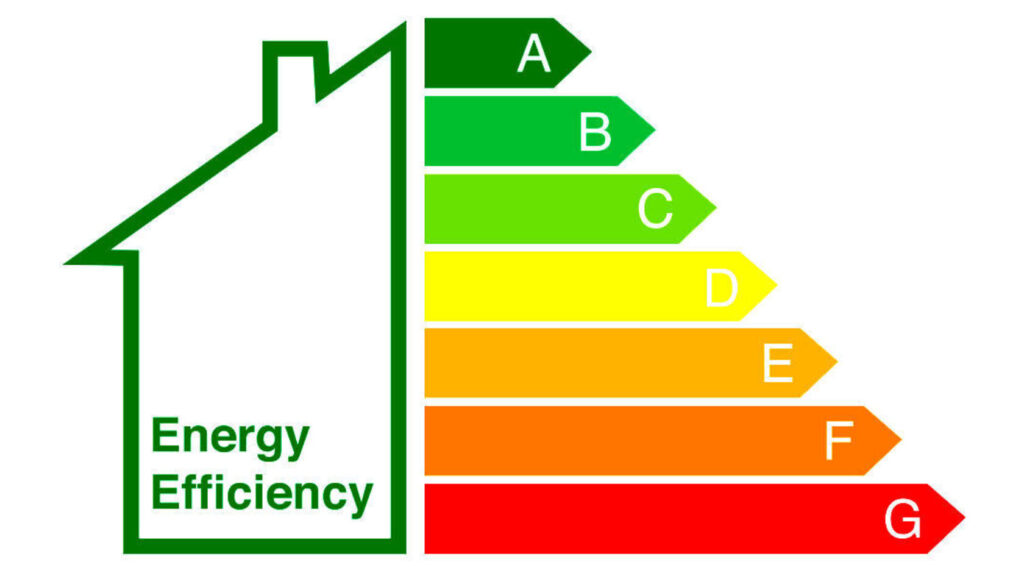
An Energy Performance Certificate, or EPC, gives your property an energy efficiency rating from A to G. A is the most efficient, while G is the least efficient. EPCs are used when properties are sold, rented or built, and they can help homeowners understand where energy is being lost and what improvements may be worth considering. GOV.UK also provides a public service where you can find an existing energy certificate for properties in England, Wales and Northern Ireland.
For landlords, EPC ratings also matter from a legal point of view. Since April 2020, landlords in England and Wales cannot let or continue to let most privately rented homes with an EPC rating below E, unless a valid exemption applies.
But even if you’re not selling or renting, improving your EPC rating can still be worthwhile. It can help make your home warmer, reduce wasted energy and improve overall comfort.
At Huntingdon Windows & Building Plastics, we help homeowners improve their homes with energy-efficient uPVC windows, aluminium windows, doors and roof lanterns across Huntingdon, Cambridge and nearby areas.
What affects your EPC rating?
An EPC looks at how efficiently your home uses energy. It considers things such as heating, hot water, lighting, insulation and how much heat is lost through the building fabric, including windows and doors.
Common factors that can affect your EPC rating include:
- Loft insulation
- Wall insulation
- Floor insulation
- Window performance
- Door performance
- Heating system efficiency
- Heating controls
- Hot water insulation
- Lighting
- Airtightness
Your EPC certificate should also include recommendations showing which improvements may help increase your rating. Before spending money on upgrades, it’s worth checking your current certificate so you can see what has already been recommended for your specific property.
1. Upgrade old or inefficient windows
Old windows can be a major cause of heat loss, especially if they are single glazed, poorly sealed or draughty.
Modern double glazing helps reduce heat transfer by using two panes of glass with an insulating gap between them. This helps keep more warmth inside your home during colder months, while improving comfort throughout the year.
Huntingdon Windows supplies and installs a wide range of uPVC windows designed to reduce draughts and heat loss. The company’s uPVC window page states that its windows use multi-chambered profiles and high quality seals to support thermal efficiency, while also offering low maintenance performance and improved security.
Popular uPVC window styles include:
- uPVC casement windows
- uPVC French casement windows
- uPVC flush sash windows
- uPVC sliding sash windows
- uPVC sash horn windows
- uPVC tilt & turn windows
For homeowners looking for a more contemporary finish, aluminium windows can also be a strong option. Huntingdon Windows’ aluminium window page confirms that its aluminium windows use thermal break technology, high quality seals and efficient glazing options to improve insulation and reduce heat loss.
2. Replace old external doors
Windows are not the only part of the home where heat can escape.
Old, poorly fitted or badly sealed doors can also allow draughts into your home. If your front, back or patio doors are dated, damaged or difficult to close properly, replacing them can improve comfort, security and energy efficiency.
Huntingdon Windows offers a wide range of doors, including:
- Composite doors
- Composite front doors
- uPVC doors
- uPVC French doors
- uPVC patio doors
- Aluminium doors
- Aluminium bifold doors
- Aluminium patio doors
A new door can help reduce draughts, improve insulation and give your home a more secure, modern feel. It can also improve kerb appeal, which is useful if you are thinking about selling in the future.
3. Improve loft and wall insulation
Insulation plays a major role in your EPC rating.
If your loft, walls or floors are poorly insulated, heat will escape more easily, meaning your heating system has to work harder to keep the property comfortable.
Common insulation improvements include:
- Topping up loft insulation
- Adding cavity wall insulation where suitable
- Improving solid wall insulation
- Insulating floors where appropriate
- Lagging hot water pipes
- Adding a hot water cylinder jacket if you have a cylinder
Before carrying out insulation work, it’s worth checking whether your property is suitable. Some older homes may need specialist advice, especially where damp, ventilation or solid walls are involved.
4. Improve heating controls
Heating has a major impact on energy use.
Even if you already have an efficient heating system, poor controls can mean you use more energy than needed. Simple upgrades can often make your heating easier to manage and more efficient.
Useful improvements may include:
- Room thermostats
- Thermostatic radiator valves
- Smart heating controls
- Better zoning
- Timer controls for heating and hot water
These improvements help you heat the rooms you need, when you need them, rather than wasting energy throughout the whole home.
If your boiler is old or inefficient, it may also be worth speaking to a qualified heating engineer about whether replacement or servicing could improve performance.
5. Switch to low energy lighting
Lighting is one of the simpler changes homeowners can make.
Replacing older halogen or incandescent bulbs with LED lighting can reduce electricity use and may help improve your EPC rating. It is usually one of the lower cost improvements compared with larger projects such as new heating systems or insulation upgrades.
While lighting alone may not transform your EPC rating, it is a sensible first step, especially when combined with better insulation, improved heating controls and energy-efficient windows and doors.
6. Consider roof lantern performance in extensions
If you have a flat roof extension, orangery or open-plan living space, roof glazing can affect both comfort and light levels.
A well-designed roof lantern can help bring more natural light into your home, reducing the need for artificial lighting during the day. Huntingdon Windows states that its roof lanterns use high performance glazing and insulated frame technology to help regulate indoor temperatures, keeping spaces warmer in winter and cooler in summer.
This is especially useful for extensions and living areas that feel dark, cold or difficult to keep comfortable.
Can new windows improve your EPC rating?
Yes, replacing old or inefficient windows can help improve your home’s energy performance, especially if you are upgrading from single glazing or older double glazing with poor seals.
However, windows are only one part of the EPC calculation. Your final rating will also depend on insulation, heating, hot water, lighting and the overall structure of the property.
That’s why the best approach is usually to combine window upgrades with other improvements, such as loft insulation, heating controls and low energy lighting.
How to improve an EPC rating from E to C
If your property has an EPC rating of E and you want to move towards C, you’ll usually need to look at several areas rather than one single upgrade.
Common improvements may include:
- Improving loft insulation
- Adding or upgrading wall insulation where suitable
- Replacing old windows with modern double glazing
- Improving heating controls
- Updating inefficient lighting
- Checking hot water insulation
- Considering improvements to doors and draught proofing
Every property is different, so it’s sensible to use your current EPC recommendations as a starting point and speak to qualified professionals before making larger investments.
How to improve comfort as well as your EPC rating
An EPC rating is useful, but it doesn’t always tell the full story of how a home feels day to day.
If your home has cold rooms, draughty windows, noisy roads nearby or doors that don’t seal properly, upgrading your windows and doors can make a real difference to daily comfort.
Modern uPVC windows and aluminium windows can help:
- Reduce draughts
- Improve insulation
- Lower heat loss
- Reduce outside noise
- Improve security
- Refresh the appearance of your home
That combination is why many homeowners choose to upgrade their windows and doors even when they are not actively selling or renting.
Speak to Huntingdon Windows & Building Plastics
If you’re looking to improve the comfort, efficiency and appearance of your home, Huntingdon Windows & Building Plastics can help.
Established in 2019 and backed by more than 60 years of combined industry experience, the team supplies and installs high quality windows and doors across Huntingdon, Cambridge and nearby areas. The company’s uPVC window page confirms this background and positioning.
Whether you’re replacing old windows, upgrading your doors or improving a living space with roof lanterns, the team can help you choose the right products for your home.
View the full window range, browse previous work in the gallery or request a quote through the quote page.
FAQ’s
What is an EPC rating?
An EPC rating is a score that shows how energy efficient a property is. Homes are rated from A to G, with A being the most efficient and G being the least efficient. The certificate also provides recommendations for improvements that may help reduce energy use and improve the property’s rating. EPCs are commonly needed when a property is sold, rented or built, and homeowners in England, Wales and Northern Ireland can find existing certificates through the GOV.UK energy certificate service.
Can double glazing improve an EPC rating?
Yes, double glazing can help improve an EPC rating if your current windows are old, single glazed or poorly sealed. Modern double glazing helps reduce heat loss by improving insulation and reducing draughts. This can make your home more comfortable and more energy efficient. However, an EPC rating is based on several factors, including heating, lighting, insulation, hot water and airtightness. For the best results, window upgrades should be considered alongside other improvements such as loft insulation, heating controls and low energy lighting.
Are uPVC windows energy efficient?
Yes, modern uPVC windows can be highly energy efficient when properly manufactured and installed. Huntingdon Windows’ uPVC windows are designed with multi-chambered profiles, high quality seals and advanced glazing options to help reduce draughts and heat loss. This helps create a warmer, more comfortable home throughout the year. uPVC is also low maintenance and resistant to warping, weathering and fading, making it a practical option for homeowners looking for long-term performance as well as improved energy efficiency.
Are aluminium windows energy efficient?
Yes, modern aluminium windows can provide strong thermal performance when they are designed with thermal break technology and efficient glazing. Huntingdon Windows’ aluminium windows use thermal breaks, high quality seals and efficient glazing options to help improve insulation and reduce heat loss. Aluminium is also durable, low maintenance and ideal for homeowners who want slim sightlines and a more contemporary appearance. This makes aluminium windows a strong option for modern properties, extensions and homes where natural light and clean design are important.
What is the best way to improve my EPC rating?
The best way to improve your EPC rating depends on your property. Your current EPC certificate should include specific recommendations, so that is the best place to start. Common improvements include upgrading loft insulation, improving wall insulation where suitable, replacing inefficient windows and doors, fitting better heating controls and switching to LED lighting. If your windows are old or draughty, modern double glazing can help improve comfort and reduce heat loss. For larger improvements, it is worth speaking to a qualified EPC assessor or relevant tradesperson before committing to major work.